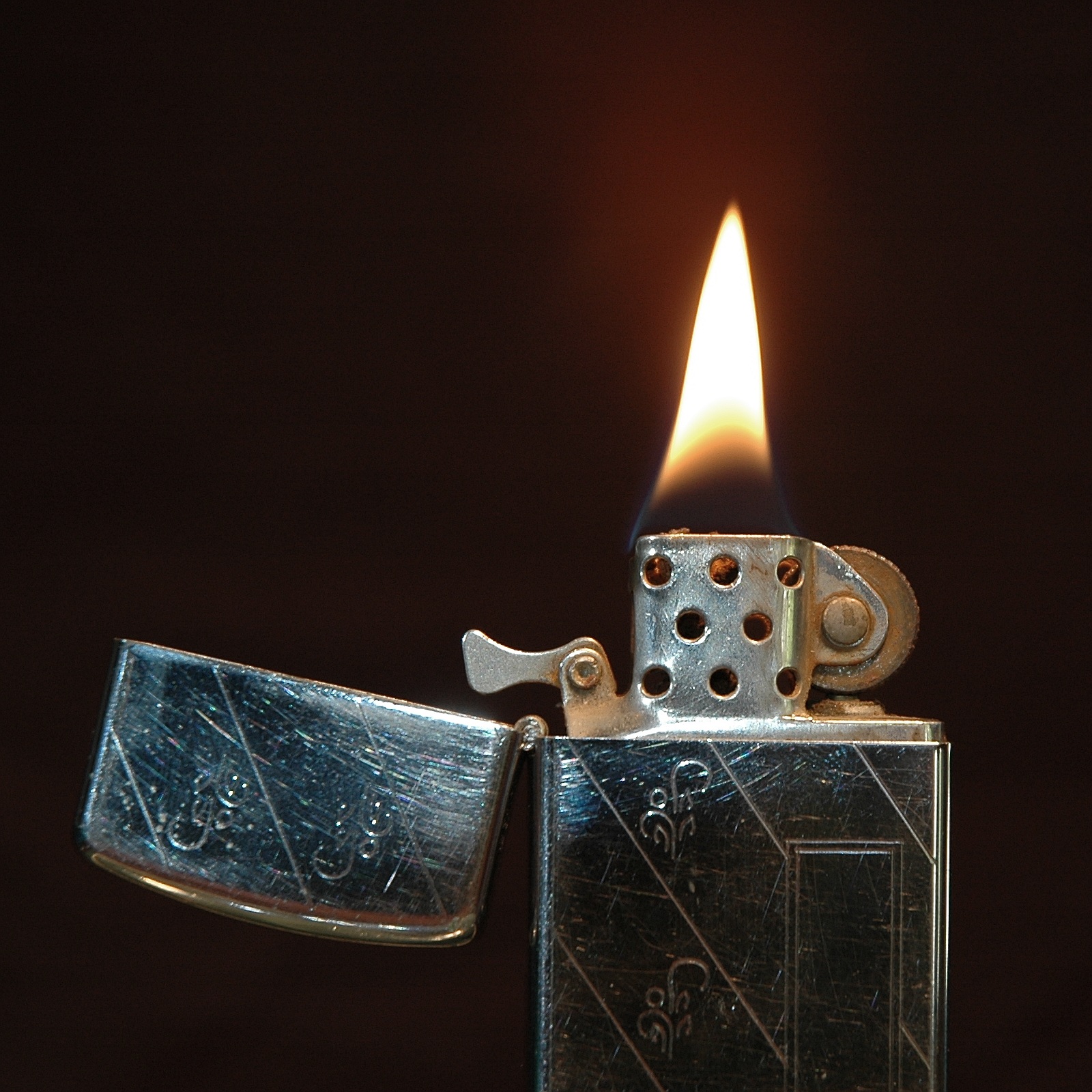
DISCLAIMER: This site is an independent fan, commentary, and parody site. It is not affiliated with, endorsed by, sponsored by, or connected in any way to Zippo Manufacturing Company or any of its subsidiaries. It does not seek to sell Zippo products or compete with Zippo Manufacturing Company in any capacity. ZIPPO is a registered trademark of Zippo Manufacturing Company. All rights to that trademark belong to Zippo Manufacturing Company. This site exists solely as independent creative commentary, appreciation and for informational purposes related to a metal, windproof pocket lighter that produces a flame when struck with the thumb -- used to light a cigarette, a birthday candle, or the way on a cold winter's night.